

Available – On Selected Dates




MIGRATION SAFARI
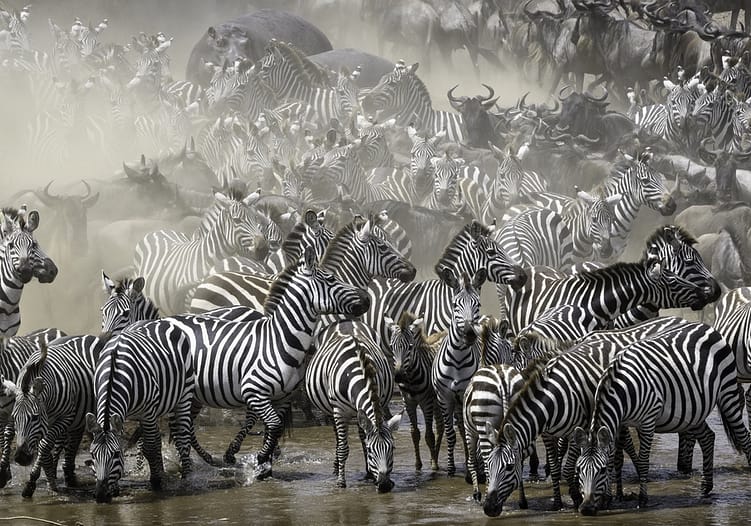
The annual wildebeest migration is widely celebrated as the greatest wildlife spectacle on Earth. Have you ever witnessed this breathtaking phenomenon?
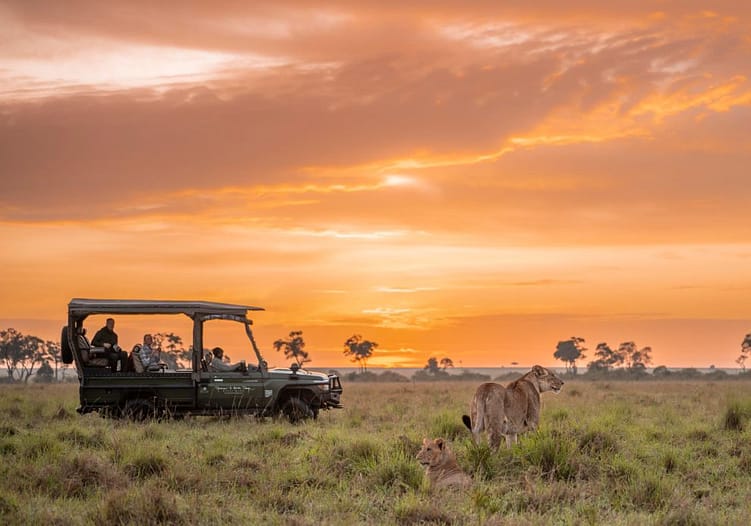
Beyond this “eighth wonder of the world,” the Mara offers a variety of safari experiences, from thrilling game drives to serene early morning hot air balloon rides.
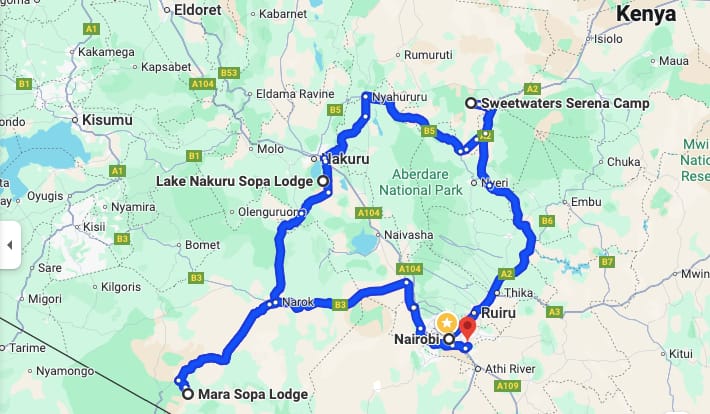
From the vibrant capital city of Nairobi to the private wilderness of the Mara North Conservancy and the legendary Masai Mara National Reserve, the itinerary offers the perfect balance of comfort, exclusivity, and thrilling wildlife encounters.
Safari Highlights
- Witness the Great Wildebeest Migration (June–October)
- 6 nights inside the Masai Mara National Reserve for best migration access.
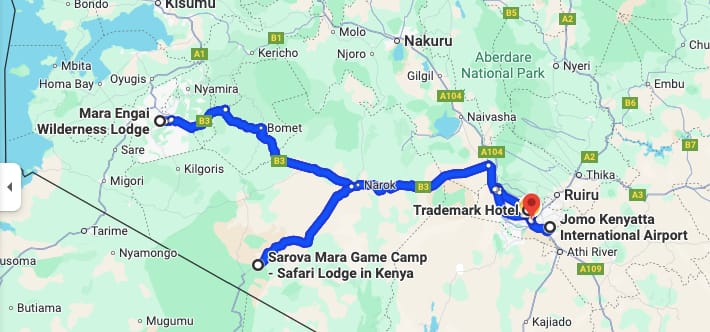
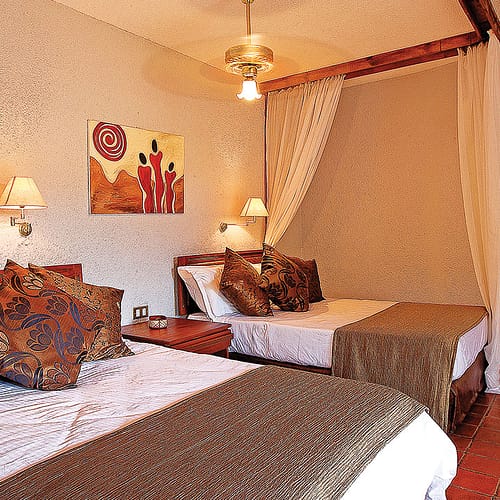
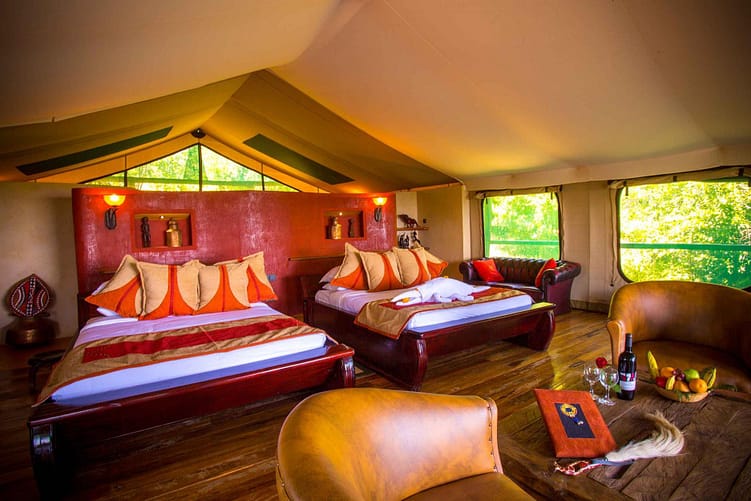
- Comfortable lodge stays: Trademark Hotel, Nairobi | Mara Engai Lodge | Sarova Mara Camp.
- Optional Masai Mara hot-air balloon with champagne breakfast.
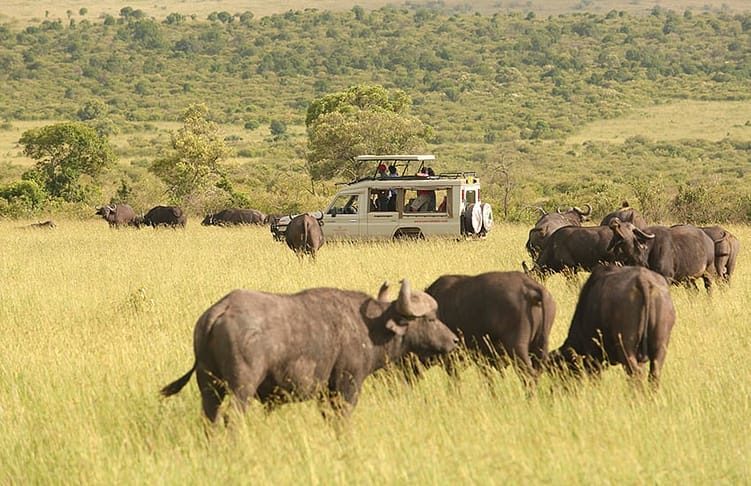
- English-speaking driver-guide, 4×4 Landcruiser transport with guaranteed window seats.
- Flying Doctor coverage and mineral water included.
YOUR DETAILED ITINERARY
Begin your adventure with a warm welcome in Nairobi, staying at a stylish city hotel before setting off for the wild landscapes of the Mara ecosystem. Experience the intimacy of Mara North Conservancy, where low vehicle density allows for uncrowded and immersive game viewing. Continue into the Masai Mara National Reserve, home to the Great Migration, the Big Five, and an astonishing diversity of birdlife. Along the way, enjoy comfortable accommodations, exceptional cuisine, and optional experiences such as a hot air balloon safari or cultural visits to Maasai communities. Conclude your journey with a farewell in Nairobi, carrying memories of breathtaking landscapes, thrilling wildlife sightings, and the timeless beauty of Kenya.
- Destination: Nairobi City, Kenya
- Included Meals: Breakfast,
- Accommodations:
Exquisite Escapes: Fairmont The Norfolk Hotel Nairobi | The Tribe Hotel | Radisson Blu Hotel
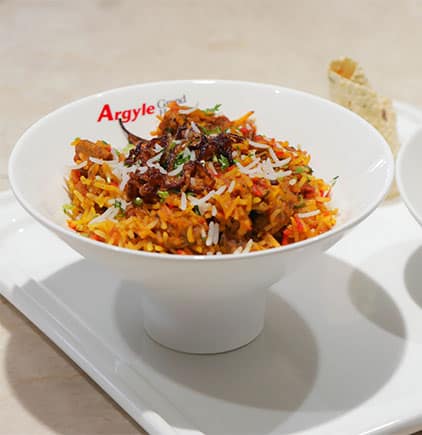
Stylish Comfort: Eka Hotel | 254 Ole Sereni Hotel | Trademark Hotel | Argyle Hotel
Breakfast: At the hotel.
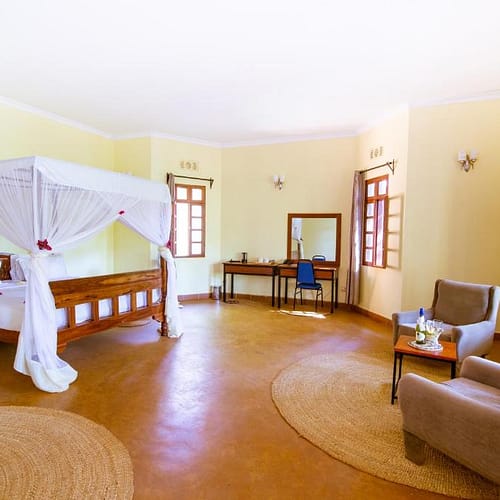
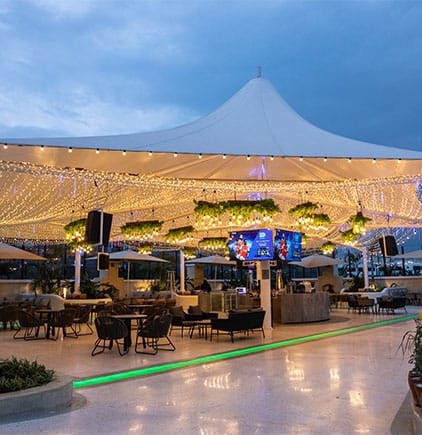
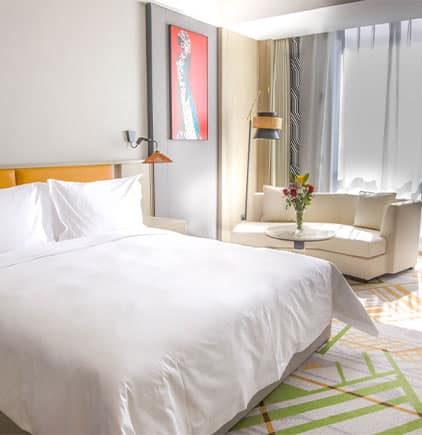
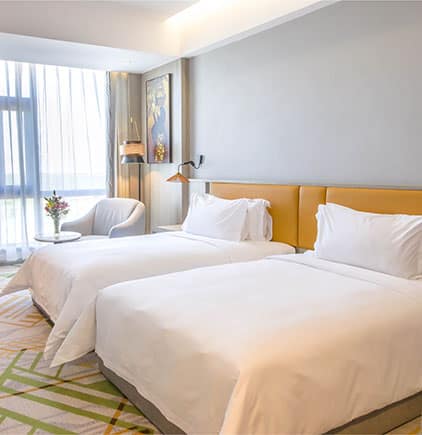
After arriving at Jomo Kenyatta International Airport, you’ll be warmly greeted by your driver-guide and transferred to the elegant Trademark Hotel. This contemporary lifestyle property combines stylish accommodation with world-class dining and convenient access to shopping and entertainment. With its modern design, rooftop bar, wellness facilities, and close proximity to Nairobi’s top attractions, the hotel is a perfect choice for both leisure and business travelers.
- Destination: Masai Mara North Conservancy
- Included Meals: Breakfast, Lunch, Dinner
- Accommodations:
Exquisite Escapes: Elewana Elephant Pepper | Saruni Mara | &Beyond Kichwa Tembo
Stylish Comfort: Mara Engai | Saruni Basecamp Wilderness | Basecamp Dorobo Wild
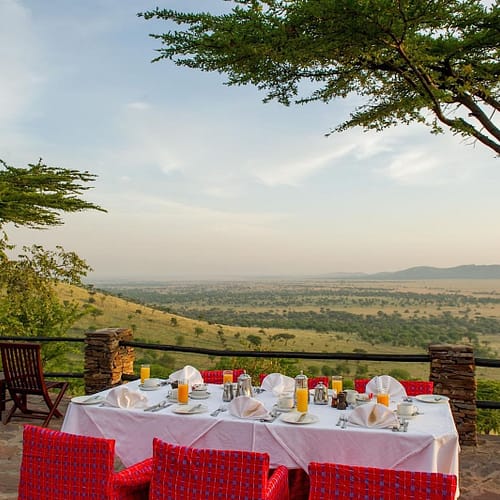
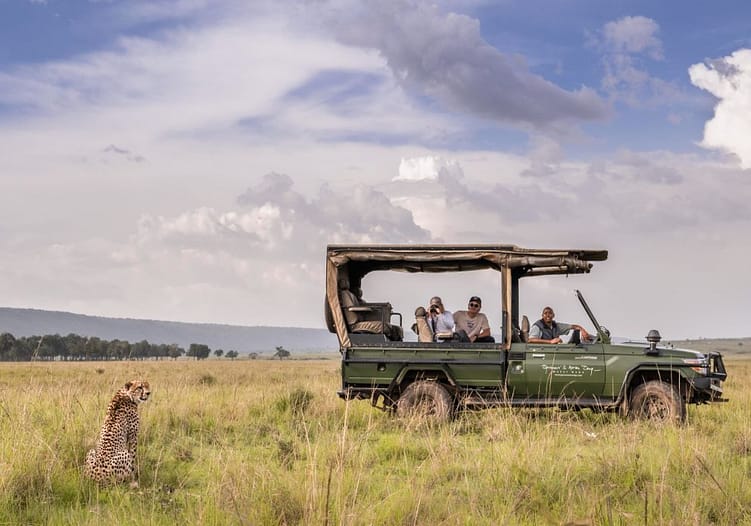
After breakfast, set out on a scenic drive through the Great Rift Valley and into the vast plains of the Mara ecosystem. Your destination is the Mara Engai Lodge, a secluded property perched high on the Oloololo Escarpment with sweeping views across the Mara Triangle. Following lunch, embark on your first game drive within the exclusive Mara North Conservancy. With fewer vehicles and unspoiled wilderness, this conservancy offers an intimate safari experience, where sightings of elephants, lions, and giraffes often unfold without another vehicle in sight.
- Destination: Masai Mara North Conservancy
- Included Meals: Breakfast, Lunch, Dinner
- Accommodations:
Exquisite Escapes: Elewana Elephant Pepper | Saruni Mara | &Beyond Kichwa Tembo
Stylish Comfort: Mara Engai | Saruni Basecamp Wilderness | Basecamp Dorobo Wild
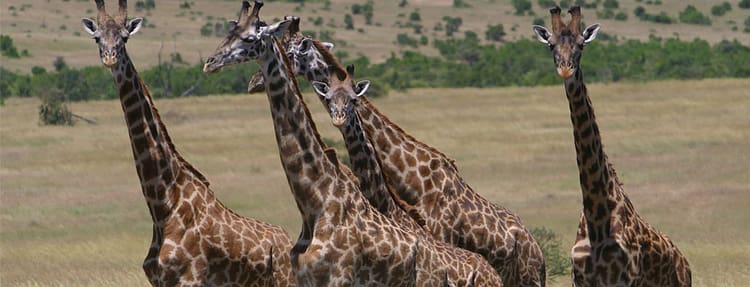
Spend a full day exploring the pristine landscapes of the Mara North Conservancy. Morning and afternoon game drives reveal an extraordinary variety of wildlife, from towering giraffes and graceful antelopes to the big cats that the Mara is famed for. During the migration season, the conservancy also provides access to herds of wildebeest and zebra grazing on the endless grasslands. Between game drives, you may relax at the lodge, or choose optional experiences such as a guided nature walk or a visit to a nearby Maasai community to learn about their traditions. As the sun dips below the horizon, enjoy sundowners against a backdrop of golden savannah before returning to your lodge for dinner.
- Destination: Masai Mara North Conservancy
- Included Meals: Breakfast, Lunch, Dinner
- Accommodations:
Exquisite Escapes: Elewana Sand Rivers Mara | Entim Mara | Soroi Private Wing
Stylish Comfort: Sarova Mara Camp | Muthu Keekorok Lodge | Fig Tree Camp
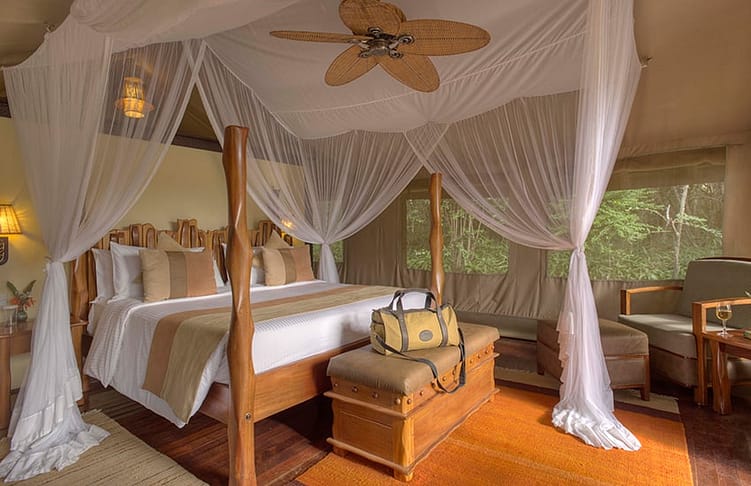
Following breakfast, enjoy a game drive as you leave Mara North Conservancy behind and journey into the world-renowned Masai Mara National Reserve. Your base for the next three nights is the Sarova Mara Camp, ideally located within the reserve to maximize wildlife encounters. After lunch and a short rest, head out on your first game drive in the reserve, where the drama of the migration often unfolds and predators patrol the plains in search of their next meal.
- Destination: Masai Mara North Conservancy
- Included Meals: Breakfast, Lunch, Dinner
- Accommodations:
Exquisite Escapes: Elewana Sand Rivers Mara | Entim Mara | Soroi Private Wing
Stylish Comfort: Sarova Mara Camp | Muthu Keekorok Lodge | Fig Tree Camp
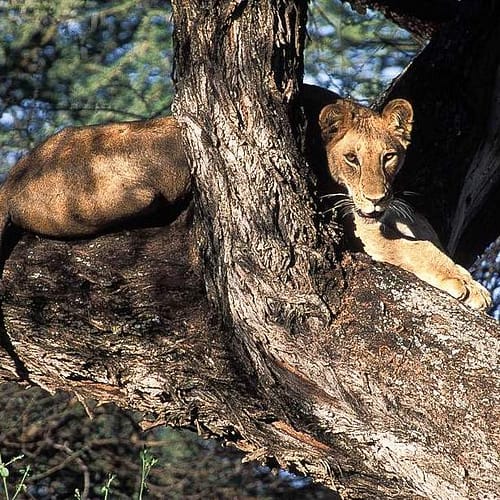
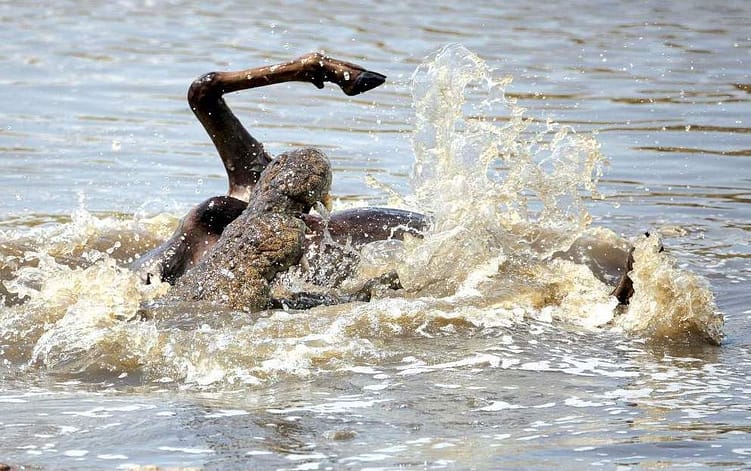
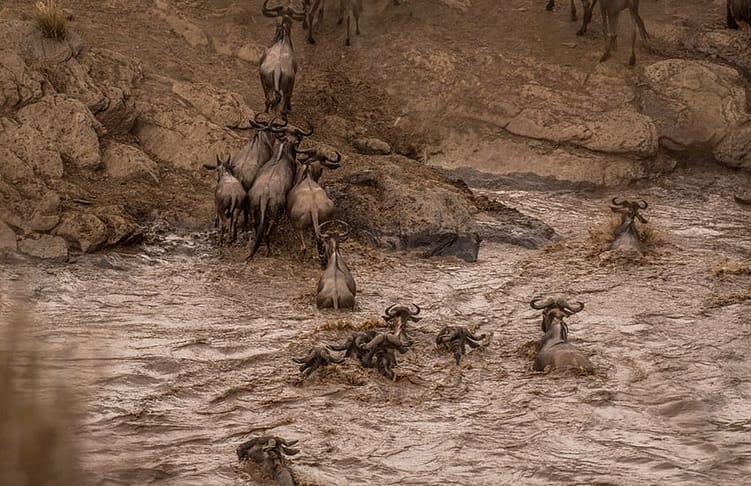
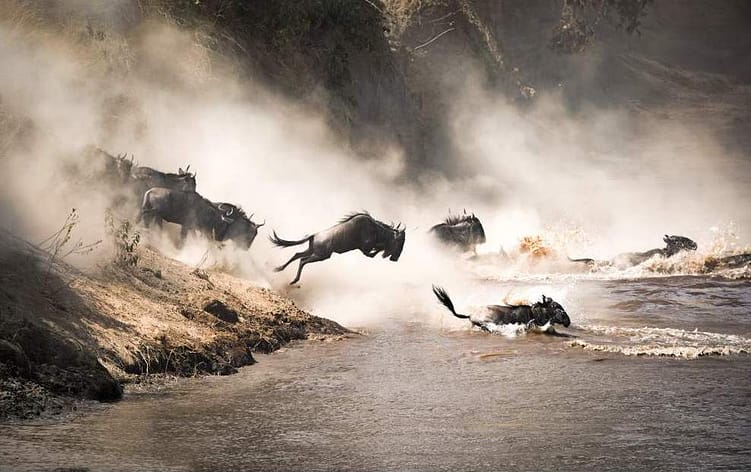
For the next two days, immerse yourself in the thrilling wildlife spectacle of the Masai Mara. Early mornings and late afternoons bring the best opportunities for game viewing as predators are most active. Depending on the season, you may witness the awe-inspiring Great Migration, as wildebeest and zebra cross the Mara River in their thousands, braving crocodile-infested waters while big cats lie in wait on the banks. Beyond the migration, the Mara is also home to the Big Five, cheetahs, hyenas, and over 450 species of birdlife.
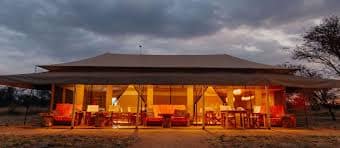
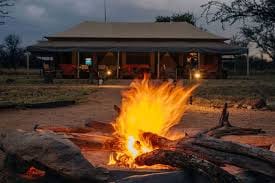
Between game drives, relax in the comfort of Sarova Mara Camp or opt for a truly unforgettable hot air balloon safari, floating silently above the plains at sunrise before descending for a champagne breakfast in the wild. Evenings are spent around the campfire, sharing stories of the day’s sightings under a canopy of stars.
- Destination: Nairobi
- Included Meals: Lunch
After breakfast, check out and return to Nairobi. Time permitting, enjoy a farewell lunch at the iconic Carnivore Restaurant before your transfer to Jomo Kenyatta International Airport for your onward flight.
Includes | Excludes
Whats Included
- Accommodation as listed (1 night Nairobi on bed & breakfast, 5 nights full board during safari).
- Transportation in private 4×4 Landcruiser (exclusive use) with guaranteed window seats.
- Professional English-speaking driver-guide.
- Park entry fees and conservancy fees.
- Flying Doctor medical evacuation cover.
- Unlimited mineral water in safari vehicles.
- Meals as stated per itinerary.
Whats Not Included
- International airfare to/from Kenya.
- Visa & personal travel insurance.
- Alcoholic beverages, personal expenses, gratuities.
- Optional extras: Masai Mara hot-air balloon (approx. $510 pp), activities not listed as included.
- Single room supplement (see pricing).
Availability - On Selected Dates
| TRIP DATES | AVAILABILITY | SPACE LEFT | |
|---|---|---|---|
| August 10, 2026 - August 16, 2026 | Guaranteed |
12 Available
|
|
| August 24, 2026 - August 30, 2026 | Guaranteed |
12 Available
|
|
| September 7, 2026 - September 13, 2026 | Guaranteed |
12 Available
|
|
| September 14, 2026 - September 20, 2026 | Guaranteed |
12 Available
|
|
| September 21, 2026 - September 27, 2026 | Guaranteed |
12 Available
|
|
| October 5, 2026 - October 11, 2026 | Guaranteed |
12 Available
|
|
| October 19, 2026 - October 25, 2026 | Guaranteed |
12 Available
|
Frequently Asked Questions FAQs
Many believe the Wildebeest Migration happens only between July and October, but in reality, it is a continuous, circular journey with remarkable events unfolding throughout the year. The dramatic river crossings typically align with the peak safari season (June to October), which is why it’s often thought to be the only time the herds are on the move or visible.
No one, not even the wildebeest themselves, knows exactly when they will cross. Some reach the river and plunge straight in, others linger for days grazing along the banks, while some turn back altogether. Unfortunately, river crossings are impossible to predict. This is why the longer you spend on safari, the better your chances of witnessing this extraordinary spectacle.
The Great Migration is a continuous, year-round movement of nearly two million animals across the Serengeti–Mara ecosystem, so it has no fixed beginning or end. Driven by East Africa’s seasonal rains, the herds follow an ancient path in search of fresh pasture and water. Their epic circuit takes them from Kenya’s Masai Mara plains down into Tanzania’s Serengeti and towards the Ngorongoro Conservation Area, before looping back north in a clockwise cycle.
The Great Migration is largely driven by the wildebeest’s instinctive response to seasonal weather patterns. They follow the rains and the fresh grasses that sprout afterward, moving in search of food essential for their survival. While some experts suggest that distant lightning and thunderstorms may act as triggers, this theory remains unproven scientifically.
Yes — comprehensive travel insurance including medical evacuation cover is strongly recommended.
20% deposit is non-refundable. Cancellations 60–35 days before arrival incur 30% charge; 34–15 days incur 50%; within 14 days or no-show incur 100% charge
With the effects of climate change, the long and short rainy seasons in Tanzania and Kenya have become less predictable than they once were. Rains may arrive earlier or later than expected, disrupting the wildebeest’s natural rhythm. This is why it’s best to allow ample time on safari—nature doesn’t follow a set schedule, and it’s unrealistic to expect to fly in for just two nights and guarantee a river crossing.
What follows is a general guideline of the herds’ movements throughout the year, keeping in mind that the entire Great Migration is dictated by rainfall, which may come early, late, or right on time:
June
By June, the wildebeest are typically gathered in the central Serengeti, preparing for the most challenging leg of their journey. At this stage, the herds may begin to split, with some already attempting the Grumeti River crossing.
July
By July, the Great Migration typically reaches the Grumeti region and the northern Serengeti, where vast herds edge closer to the daunting Mara River—their gateway into Kenya. The challenge? The river teems with massive Nile crocodiles lying in wait.
As with all Migration events, exact river crossings are impossible to predict, as they depend on the rains and the wildebeest’s own unpredictable behavior. To maximize your chances of witnessing this spectacle, it’s wise to book your safari up to a year in advance, securing accommodation as close to the river as possible. Staying nearby reduces travel time to key vantage points. Since wildebeest favor certain historic crossing sites, you may spend hours—or even days—waiting for the action. For the best positioning, we recommend a mobile safari camp that follows the herds, keeping you close to the drama as it unfolds.
August
August is often regarded as the prime month to witness the dramatic river crossings from the northern Serengeti into Kenya’s Masai Mara. While travelers need a passport to cross the border, the wildebeest, of course, do not. The Masai Mara National Reserve is open to the public and can be busy during this peak season, so for a more intimate and exclusive safari, consider staying in one of the private conservancies that border the reserve.
September
By September, the herds begin to fragment into smaller groups. Not all the wildebeest make their way into Kenya—roughly half remain scattered across the northern Serengeti, while the rest graze in the Masai Mara. Although the mega-herds are less concentrated, sightings are still possible in the Serengeti. However, as a general rule, the Masai Mara offers the best opportunities to experience the Migration during this month.
October
October continues to favor the Masai Mara as the prime location for Migration sightings. Keep in mind, though, that the reserve is much smaller than the Serengeti and can attract large numbers of visitors at this time. For a more exclusive safari, the surrounding private conservancies are an excellent choice. Here, you’ll not only encounter the herds with fewer crowds but also support local Maasai communities. In addition, the conservancies offer unique experiences such as off-road game drives, walking safaris, and night drives—activities not permitted within the national reserve.